
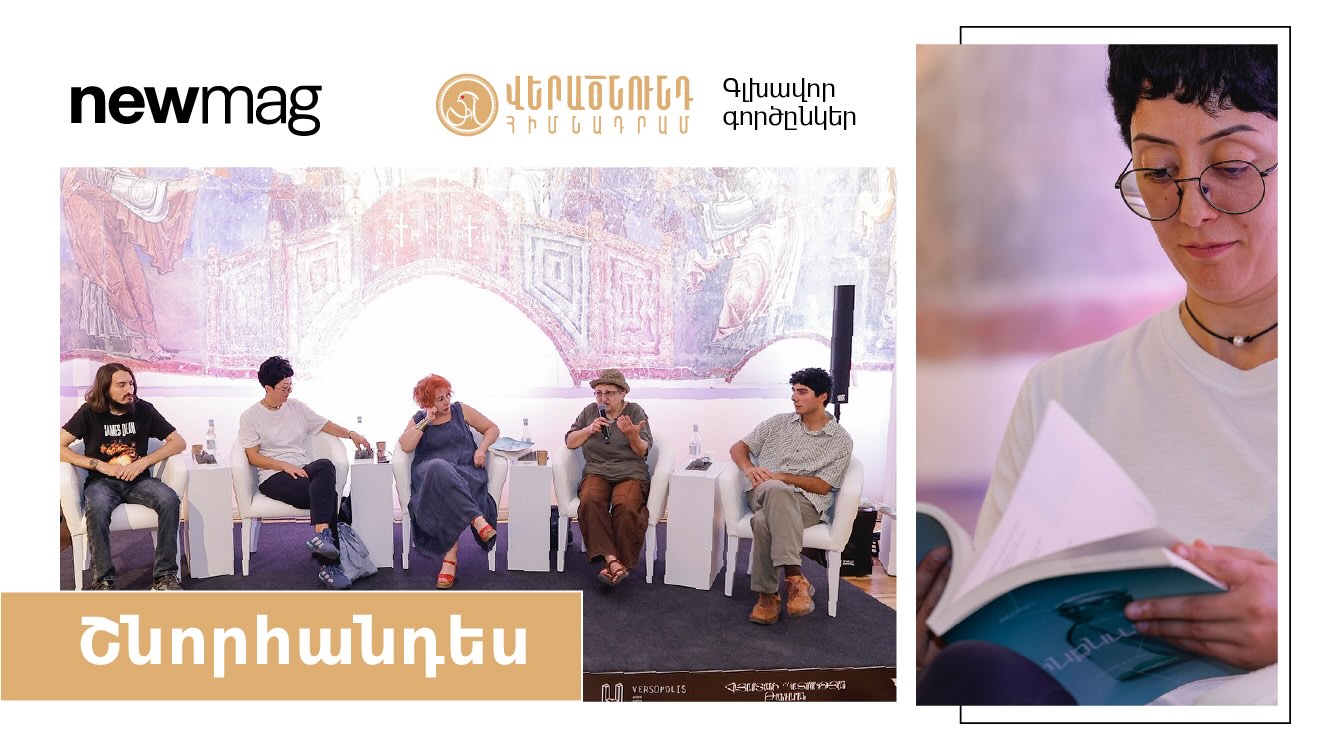
The 11th issue of the literary magazine Inqnagir was presented at the Yerevan International Book Festival. The magazine is being published for the second time with the support of the Renaissance Foundation.
Editor of Inqnagir, poet Violet Grigoryan, spoke about the principles guiding the selection of authors and works in this issue.
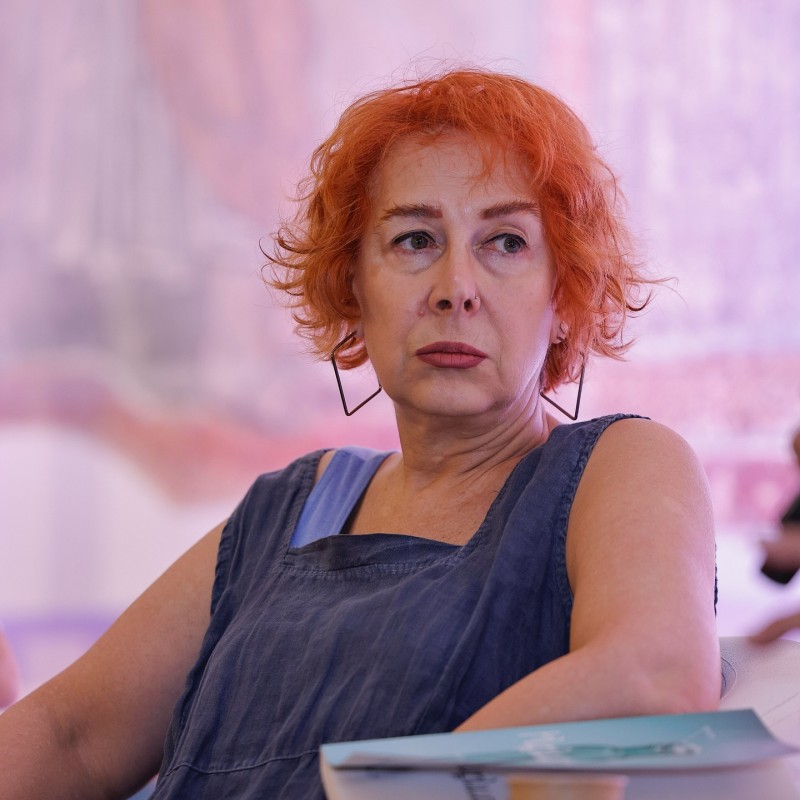
“The selection of authors follows a special editorial policy. The issue includes works by well-known writers, people who are not professional writers and are being published for the first time, as well as young and middle-generation creators. While the previous issue had a specific thematic focus, the current issue reflects a diverse range of topics, which can be summarized in one phrase, ‘aftershock literature’. We present the tectonic shifts occurring in the post-war period. It is very difficult for a writer today to write honestly. The vision of literature is also very important to me. We have one thing, commas scattered across the page. It is the author’s perspective. We are constantly searching for new forms while treating literature with great seriousness.”
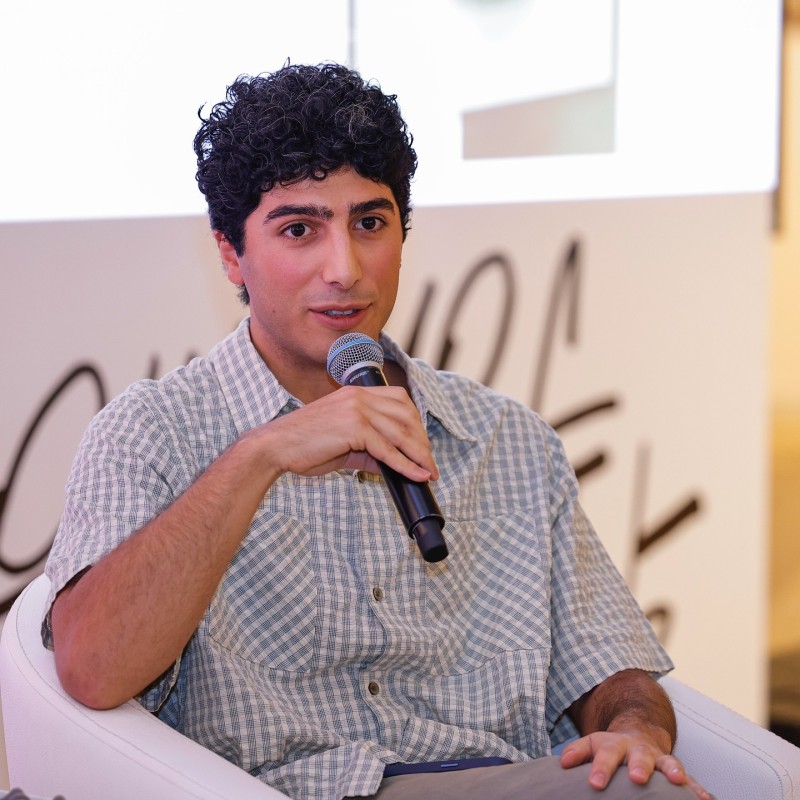
One of the contributors to Inqnagir 11, Edgar Martirosyan, wrote a review included in the issue. Martirosyan has studied and worked outside Armenia for the past seven years, writing and thinking in a language other than Armenian.
“I have moved slightly away from Armenian because for the last seven years I have been writing, speaking, and studying in another language. The thoughts in my article were written in Armenian, they feel like translations of ideas formed over the past seven years.”
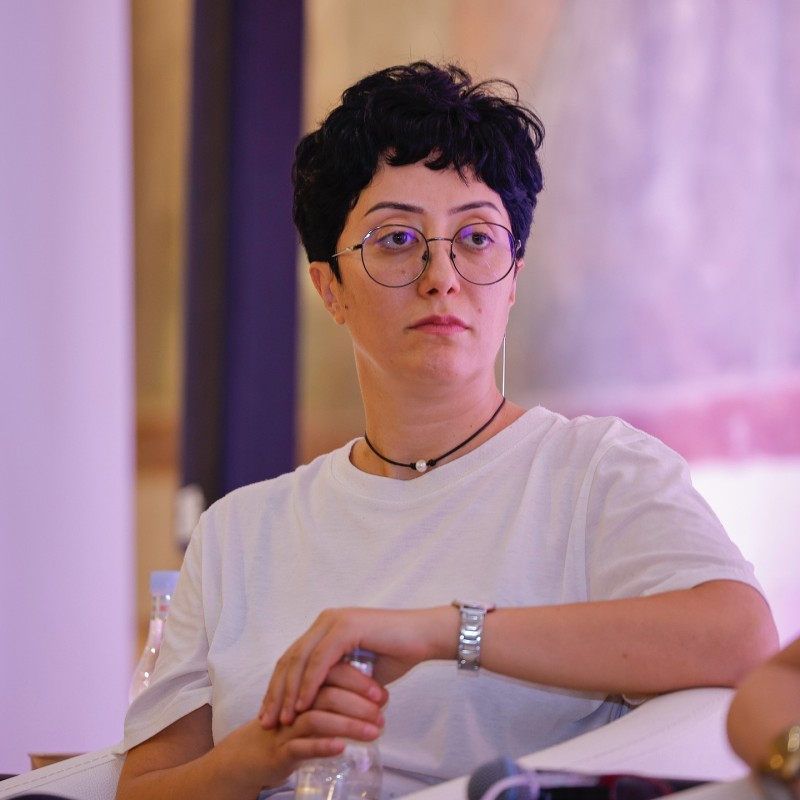
Ruzan Grigoryan, who was published in Inqnagir for the first time, described herself as a poet of the 1990s generation and spoke about the dreams and experiences of older and younger generations.
“Why did I write? After the war, there was a lot of noise, there was a need for words. I never thought about my experience or my age. Those who died in the war belonged to a generation very close to me, they could even have been my child.”
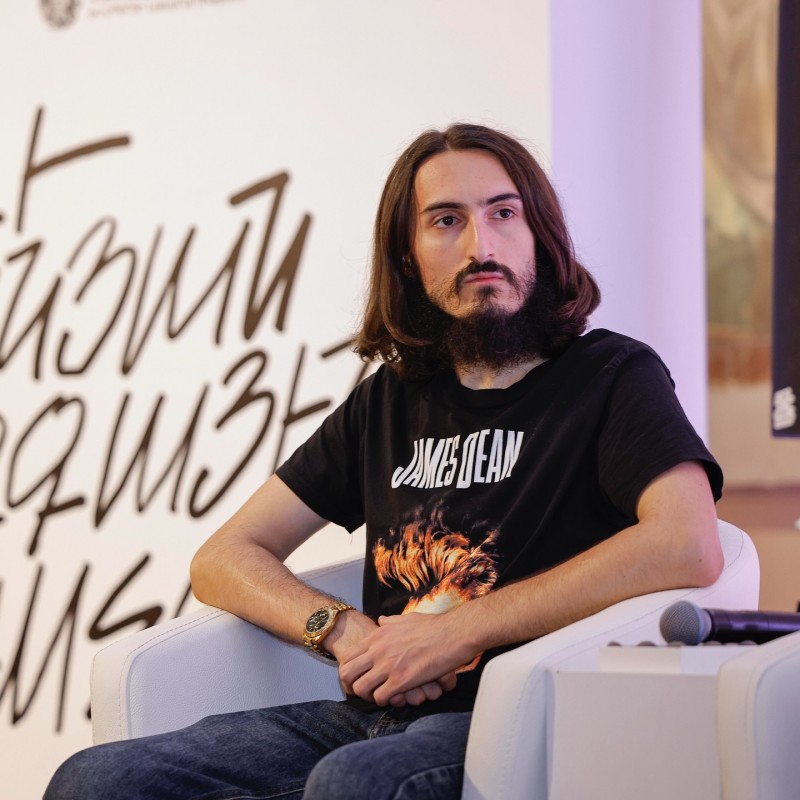
Film critic and director Aram Dovlatyan, who also published a story in the issue, spoke about the difference between cinematic and literary language.
“The main difference is between dramaturgical thinking and mass thinking. In any film, the producer’s shadow is present. The film director is more constrained in the creative process compared to writers, who are freer. This is what distinguishes the language of cinema from literature. One of the problems of modern Armenian cinema is that it has moved away from literature. The first Armenian film was based on literary material. Armenian literature gave birth to Armenian cinema.”
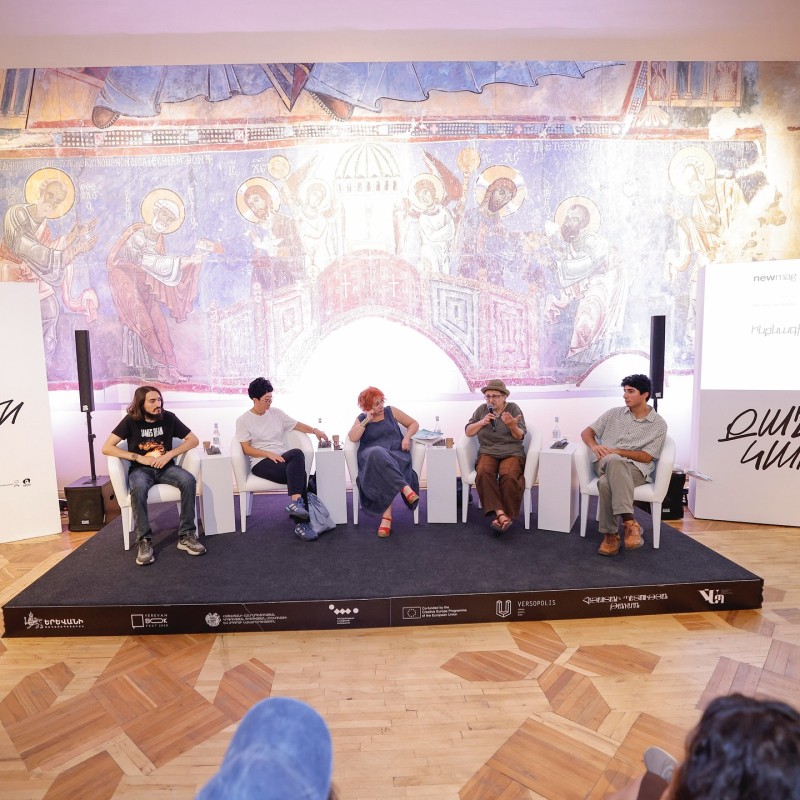
Works by poet Marine Petrosyan are also included in the magazine. The poet believes that art is not meant to be merely displayed or printed, but rather to have the power to influence real life.
“My first book was published in the early years of independence. When I reread it today, I feel anger, it reflects a completely different reality. Those were the years of victory, and I used to say that victory and defeat are the same. But over time I learned to let reality enter my poems. Today, politics is the most political force, it will determine whether we live or not. I believe that the future of Armenia is shaped by politics. I consider myself a person of words, and words can change things in Armenia.”
Inqnagir issue 11 was published by Newmag Publishing House in 2023 and was reissued with the support of the Renaissance Foundation.